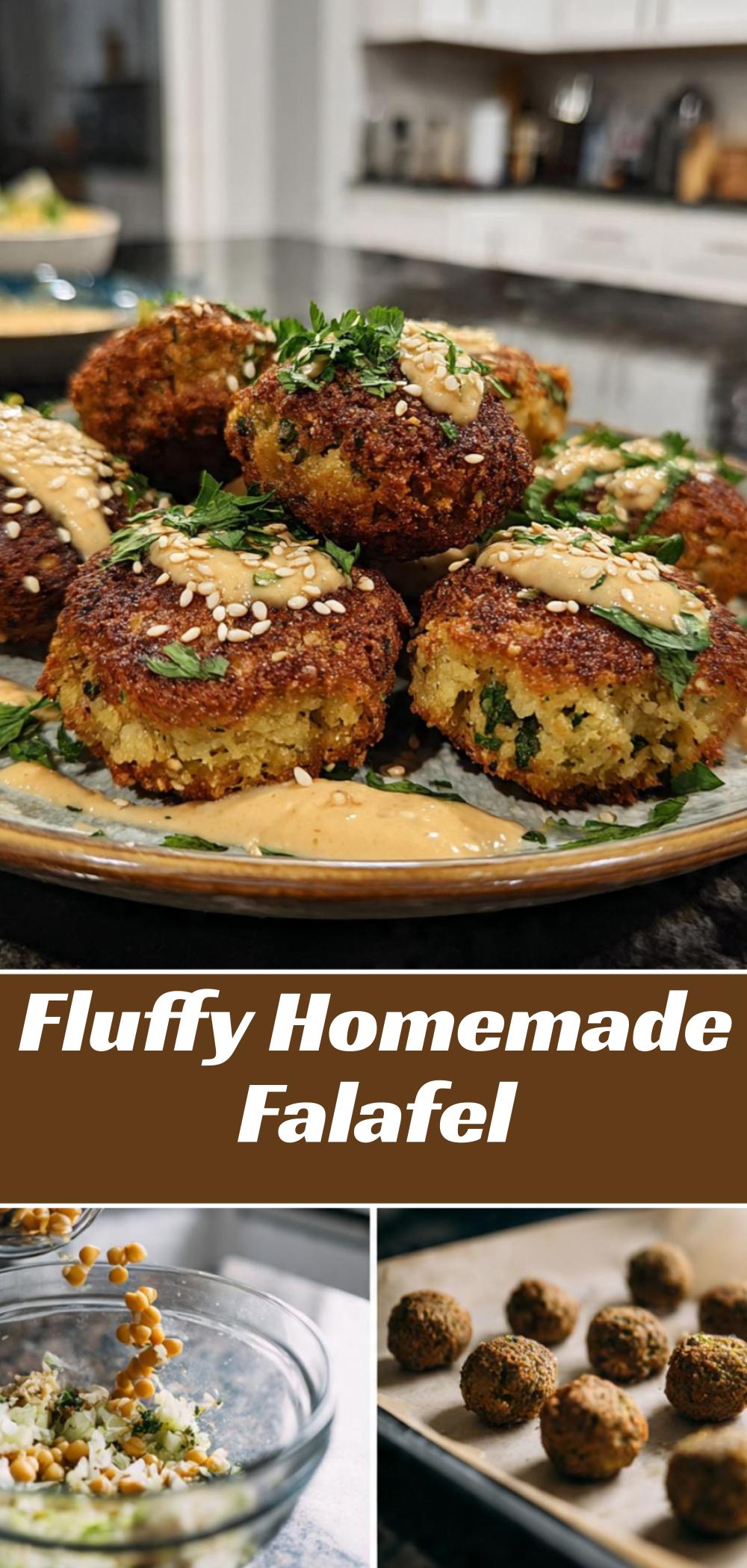
Imagine the aroma of freshly fried, perfectly spiced patties filling your kitchen, transporting you straight to a bustling Middle Eastern market. That's the magic of falafel, and contrary to popular belief, mastering this culinary delight at home is surprisingly simple. This isn't just any guide; it's inspired by generations of wisdom, a true "Grandma's secret" to creating an easy falafel recipe that’s crispy on the outside, tender and flavorful on the inside, and sure to become a family favorite.
Falafel holds a special place in many cultures, evoking cherished childhood memories of shared meals and vibrant flavors. For some, it might be the memory of a mother's hands expertly shaping the patties, a skill passed down from her own mother, just as it was for families in Sierra Leone, where this beloved dish brought joy and a taste of tradition. This naturally vegan and gluten-free dish is more than just a meal; it's an experience, and with our straightforward approach, you'll discover just how accessible making authentic, delicious falafel can be.
The Heart of Authentic Falafel: Ingredients You'll Need
The foundation of any truly great falafel lies in its ingredients. While the concept of making an easy falafel recipe might sound complex, it boils down to a few key components, chosen wisely. Forget the intimidation; think fresh, fragrant, and flavorful.
- Chickpeas: The Cornerstone
This is where tradition truly shines. While some recipes for a quick weeknight meal might suggest canned chickpeas, the true secret to falafel's enviable texture and flavor lies in soaked, dried chickpeas. Canned chickpeas, while convenient, contain too much moisture, which can lead to a less crispy exterior and a tendency for the falafel to fall apart during cooking. Dried chickpeas, soaked overnight (8-12 hours) until plump and rehydrated, provide the ideal density and starch content. Remember, these are soaked, not cooked, chickpeas for the mix! It's this simple step that truly elevates your homemade falafel, giving it that perfect, crumbly-yet-held-together consistency that street vendors envy. Be sure they are thoroughly drained and as dry as possible before processing. - Aromatic Fresh Herbs: The Green Soul
Parsley and cilantro (coriander leaves) are non-negotiable. These aren't just garnishes; they are integral to falafel's characteristic vibrant green hue and incredible depth of flavor. Don't skimp! A generous amount of fresh flat-leaf parsley and cilantro will infuse your falafel with an earthy, refreshing aroma that dried herbs simply cannot replicate. - Spices: The Flavor Symphony
Cumin and coriander are the star spices, bringing warmth and a quintessential Middle Eastern essence. Freshly ground is always best if you can manage it, but high-quality pre-ground spices work perfectly. Beyond these, garlic and sometimes a pinch of cayenne pepper for a subtle kick are common additions. The goal is a balanced profile that's aromatic but doesn't overpower the fresh herbs. - Onion & Optional Binders
A small amount of onion adds an essential savory depth. For those striving for an easy falafel recipe that truly holds together, especially if you *must* use canned chickpeas, a tablespoon or two of all-purpose flour or chickpea flour (besan) can act as a binder. Chickpea flour offers an extra nutty taste and a slight protein boost, making it an excellent gluten-free alternative. If using properly soaked and drained dried chickpeas, a binder is often unnecessary, as the natural starches do the job beautifully.
Grandma's Wisdom: Crafting Your Perfect Falafel Mix
The method of combining your ingredients is just as important as the ingredients themselves. This step is about achieving the right texture – a balance that allows for a crispy exterior and a soft, fluffy interior.
The Art of the Food Processor
Unlike hummus, where chickpeas are puréed to a silky smoothness, falafel mixture requires a coarser grind. Start by combining your soaked (uncooked) chickpeas, fresh parsley, cilantro, onion, garlic, and spices in a food processor. Pulse the mixture, rather than continuously blending. The goal is a texture that resembles coarse sand or very fine breadcrumbs, with some small pieces of chickpea still visible. Over-processing will turn it into a paste, resulting in dense, heavy falafel, while under-processing might lead to patties that don't hold their shape.
The Secret to Success: Chilling and Shaping
Once your mixture is ready, transfer it to a bowl and refrigerate it for at least 30 minutes, or even a few hours. This chilling period is crucial for several reasons: it allows the flavors to meld, firms up the mixture, and significantly reduces the chances of your falafel falling apart during cooking. This simple step is a true "Grandma's secret" for ensuring perfectly formed falafel every time.
When you're ready to shape, you can use your hands, a small ice cream scoop, or a specialized falafel scoop (often called a 'falafel maker'). Aim for small, uniform patties or balls, about 1 to 1.5 inches in diameter. Uniformity ensures even cooking.
From Mix to Magic: Cooking Your Crispy Falafel
While deep frying is the traditional method for achieving that irresistible crispy exterior, there are healthier and equally delicious alternatives. This easy falafel recipe gives you options, ensuring everyone can enjoy this Middle Eastern classic.
Traditional Frying for Ultimate Crispness
For the classic experience, deep frying is king. Heat about 2-3 inches of neutral oil (like canola, vegetable, or sunflower oil) in a heavy-bottomed pot or Dutch oven to 350-375°F (175-190°C). Carefully drop the falafel patties into the hot oil, ensuring you don't overcrowd the pan. Cook for 3-5 minutes, turning occasionally, until they are deep golden brown and crispy. Remove with a slotted spoon and drain on a wire rack lined with paper towels. The sound of the oil bubbling and the sight of them turning golden is pure culinary joy!
Healthier Alternatives: Baking or Air Frying
If you're looking for a lighter take without sacrificing too much crispiness, baking or air frying are fantastic options. They make this an even healthier homemade falafel. To bake, preheat your oven to 400°F (200°C). Lightly brush or spray your falafel with oil and bake for 20-25 minutes, flipping halfway through, until golden and firm. For an even crispier result, consider air frying. Preheat your air fryer to 375°F (190°C), lightly spray the falafel with oil, and cook for 12-15 minutes, shaking the basket halfway through, until beautifully golden and crisp. For more detailed tips on alternative cooking methods, check out our guide on Healthy Homemade Falafel: Fry, Bake, or Air Fry Them!
Serving Suggestions: Beyond the Pita
Now that your kitchen is filled with the tantalizing aroma of your homemade falafel, it’s time to assemble your feast! While a warm pita bread sandwich with creamy tahini sauce and crunchy veggies is the iconic way to enjoy falafel, don't limit yourself. This versatile dish offers a myriad of serving possibilities.
- The Classic Falafel Pita: This is arguably the most beloved way to enjoy falafel. Warm your pita bread, then stuff it generously with your crispy falafel. Add a drizzle of rich, nutty tahini sauce (a simple blend of tahini, lemon juice, water, and garlic), and pile on fresh, crunchy toppings like diced cucumber, tomatoes, finely sliced red onion, and perhaps some pickled turnips or hot sauce.
- Falafel Salad Bowl: For a lighter, fresher meal, arrange your falafel on a bed of mixed greens. Add all your favorite Mediterranean salad components – olives, feta cheese (if not keeping it strictly vegan), cherry tomatoes, and cucumber. A lemon-tahini dressing or a yogurt-based tzatziki sauce makes for a refreshing topping.
- Meze Platter Power: Falafel shines as part of a larger meze spread. Serve them alongside an easy falafel recipe's perfect partners like creamy hummus, smoky baba ghanoush, refreshing tabbouleh, and warm flatbreads. This creates a vibrant, communal dining experience perfect for entertaining.
- Creative Combos: Think outside the box! Crumble falafel over grain bowls, wrap them in lettuce cups, or even use them as a protein-packed addition to soups and stews. They are also fantastic with a simple side of quick pickled vegetables.
Whether you're making this for a casual weeknight dinner or a special gathering, remember that homemade falafel is a celebration of fresh flavors and simple ingredients. For more ideas on how to incorporate falafel into your quick weeknight meals, including vegan and gluten-free variations, visit Quick Weeknight Falafel: Vegan & Gluten-Free Options.
Embarking on the journey to make homemade falafel might seem daunting at first, but as you've seen, this easy falafel recipe, rooted in traditional wisdom, is entirely achievable. From selecting the right chickpeas to mastering the blend of fresh herbs and spices, each step contributes to creating a dish that's far superior to any store-bought alternative. There's a profound satisfaction in crafting these crispy, flavorful patties from scratch, sharing a piece of culinary heritage with friends and family. So, gather your ingredients, follow Grandma's secret tips, and prepare to bring the vibrant, irresistible taste of authentic falafel right into your home.
