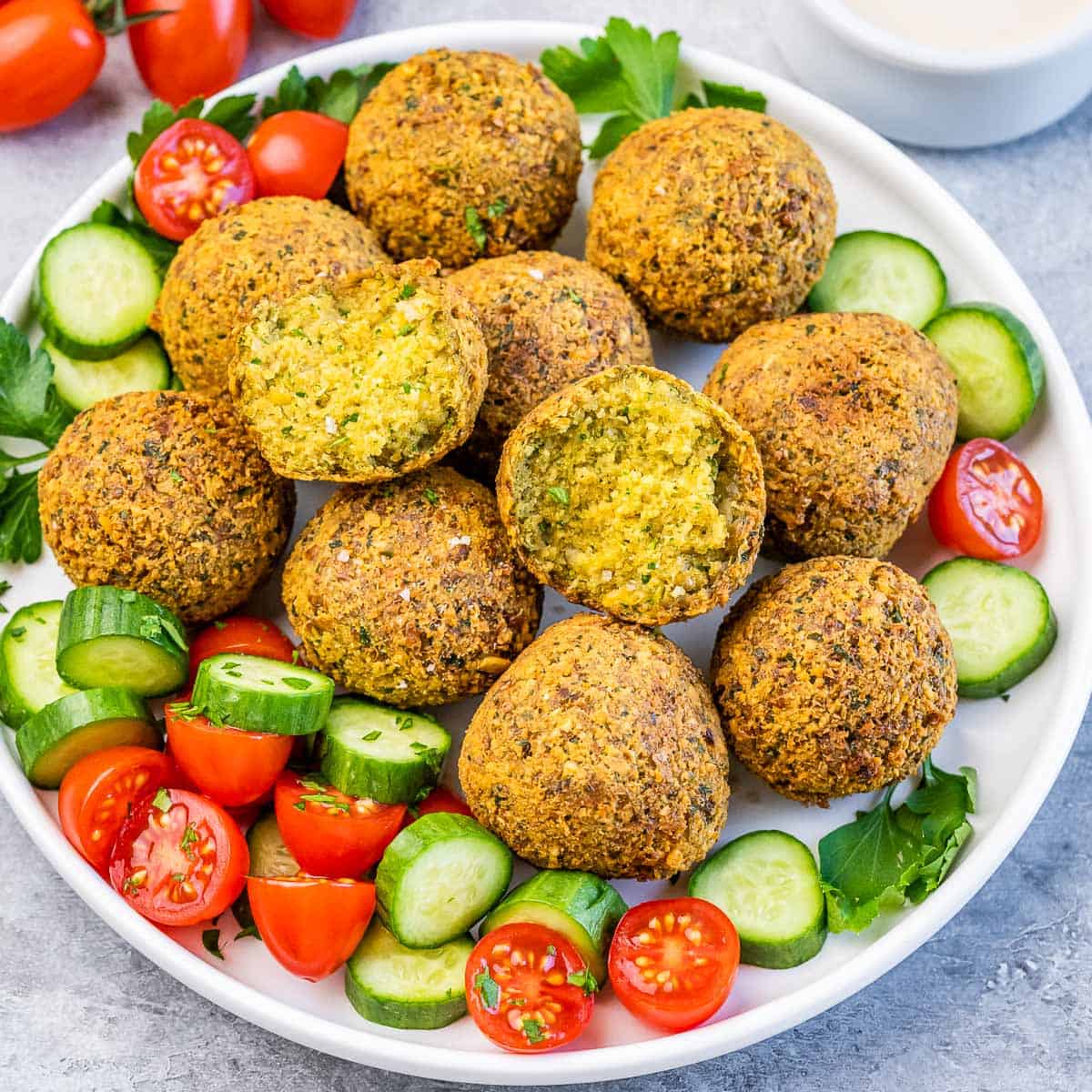
Healthy Homemade Falafel: Your Ultimate Guide to Frying, Baking, and Air Frying Perfection!
There's something truly magical about the aroma of freshly made falafel – a culinary passport that instantly transports you to the bustling street markets of the Middle East, even from your own kitchen. This beloved dish, with its distinctive crispy exterior and tender, flavorful interior, is not only a delight for the senses but also a remarkably versatile and wholesome meal. And the best part? Crafting an
easy falafel recipe at home is far simpler than you might imagine, offering the flexibility to fry, bake, or air fry them to healthy perfection. Naturally vegan and gluten-free, homemade falafel invites everyone to the table, making it a fantastic addition to any diet.
For many, falafel evokes cherished memories, a taste of home and tradition passed down through generations. Whether you grew up enjoying it like a comforting family staple, or you're discovering its vibrant flavors for the first time, this guide will empower you to create falafel that rivals your favorite street food vendor, with the added benefit of knowing exactly what goes into every delicious bite. Forget the intimidating notion; we're about to show you how making falafel from scratch can be an incredibly rewarding and straightforward experience.
The Foundation of Flavor: Chickpeas, Herbs, and Spices
At the heart of any great falafel lies a simple yet powerful combination of ingredients. The key to that authentic taste and texture comes down to selecting fresh, high-quality components and understanding how they interact.
The undisputed star of the show is the chickpea. Now, here's where a common debate arises: dried vs. canned chickpeas.
*
Dried Chickpeas: The Traditionalist's Choice
For the purest flavor and the most authentic texture, many falafel aficionados swear by dried chickpeas. This method involves soaking the dried chickpeas overnight (typically 12-24 hours), which softens them considerably without actually cooking them. The benefit of using uncooked, soaked chickpeas is that they maintain their structure better during frying, resulting in falafel that is less prone to falling apart and boasts a superior, more uniform texture – perfectly crunchy outside, wonderfully fluffy inside. They also contribute a deeper, earthier flavor. While this approach adds a soaking step, it's largely hands-off and absolutely worth it for a truly traditional experience. If you're looking to master this classic approach, you'll find invaluable insights in
Grandma's Secret: Easy Crispy Falafel at Home.
*
Canned Chickpeas: The Weeknight Warrior's Shortcut
If time is of the essence and you need an
easy falafel recipe for a busy weeknight, canned chickpeas are your best friend. Thoroughly rinsed and dried, they drastically cut down on preparation time. While some traditionalists argue they yield a slightly different texture, modern recipes have found ways to compensate, often by adding a binding agent like all-purpose flour or chickpea flour (which also boosts the nutty flavor and protein content!). This makes homemade falafel highly accessible, even for impromptu meals.
Beyond the chickpeas, the soul of falafel comes alive with a generous infusion of fresh herbs and aromatic spices. Fresh parsley and cilantro are non-negotiable, lending their vibrant green hue and distinct, fresh notes. Cumin and coriander are the foundational spices, delivering that characteristic warm, earthy depth. Garlic, of course, provides its pungent kick, while a pinch of cayenne or red pepper flakes can add a subtle warmth if you desire. Some recipes also incorporate a touch of onion, sesame seeds, or even baking soda for extra lightness.
The magic happens when these ingredients are pulsed together in a food processor. The goal isn't a smooth paste, but rather a coarse, somewhat chunky mixture that still holds together. This texture is crucial for achieving that desired contrast between a crispy exterior and a tender interior.
Crafting the Perfect Texture: Crispy Outside, Tender Inside
Achieving that signature falafel texture – irresistibly crispy on the outside and wonderfully moist and tender within – is a culinary art that's surprisingly easy to master with a few key tips.
1.
The Right Grind: When processing your chickpeas, herbs, and spices, resist the urge to over-process. You're aiming for a coarse, somewhat crumbly mixture, not a smooth paste. Over-processing can release too much moisture and make your falafel dense or mushy. A texture resembling coarse sand or fine gravel is ideal.
2.
Moisture Control: This is perhaps the most critical factor. If your mixture is too wet, your falafel will struggle to hold its shape and absorb too much oil when fried. If using dried, soaked chickpeas, ensure they are thoroughly drained and patted dry before processing. For canned chickpeas, rinsing them well and then patting them *very* dry with paper towels is essential. Some recipes suggest chilling the mixture for at least 30 minutes (or even overnight) before forming and cooking, as this helps the flavors meld and the mixture firm up, making it easier to handle and less likely to fall apart.
3.
The Binding Agent: While traditionally made with just chickpeas and herbs, an
easy falafel recipe, especially when using canned chickpeas, sometimes benefits from a small amount of flour (all-purpose or chickpea flour). This acts as a binder, ensuring your falafel holds its shape during cooking. Just a tablespoon or two is usually sufficient. You can even create your own chickpea flour by finely grinding dried chickpeas.
4.
Forming the Patties: Whether you opt for traditional round balls, slightly flattened discs, or small patties, aim for consistency in size and shape. This ensures even cooking. Many people use a falafel scoop or even two spoons to form them. Don't press them too tightly, as this can make them dense.
Healthier Ways to Enjoy: Fry, Bake, or Air Fry
One of the great joys of homemade falafel is the flexibility in cooking methods, allowing you to tailor them to your preference for taste, texture, and health. Each method brings its own unique qualities to this delicious dish.
Frying for Classic Crispness
This is the traditional and arguably most delicious method for achieving that ultimate crispy exterior.
*
Oil Choice: Use a neutral oil with a high smoke point, such as canola, vegetable, or grapeseed oil.
*
Temperature is Key: Heat your oil to 350-375°F (175-190°C). If the oil isn't hot enough, the falafel will absorb too much oil and become greasy. If it's too hot, the outside will burn before the inside cooks.
*
Don't Overcrowd: Fry in batches, ensuring there's enough space between each falafel. Overcrowding lowers the oil temperature and leads to soggy results.
*
Golden Brown Perfection: Fry for 3-5 minutes, turning occasionally, until they are deeply golden brown and beautifully crisp on all sides.
*
Drain Well: Transfer cooked falafel to a wire rack set over paper towels to drain excess oil.
Baking for a Lighter Alternative
Baking offers a fantastic, healthier alternative that significantly reduces the fat content without sacrificing too much flavor.
*
Preheat and Prep: Preheat your oven to 400°F (200°C). Lightly grease a baking sheet or line it with parchment paper.
*
Lightly Oil Falafel: Gently brush or spray each falafel with a little olive oil or cooking spray. This helps them crisp up and prevents them from drying out.
*
Bake Until Golden: Bake for 20-30 minutes, flipping them halfway through, until they are golden brown and firm to the touch. They might not achieve the same deep crunch as fried falafel, but they'll still be wonderfully flavorful.
Air Frying for Modern Convenience and Health
The air fryer has revolutionized healthy cooking, and falafel is no exception. This method combines the crispness of frying with the health benefits of baking, making it perfect for a
Quick Weeknight Falafel: Vegan & Gluten-Free Options.
*
Single Layer is a Must: Arrange the falafel in a single layer in your air fryer basket, ensuring good airflow. You'll likely need to work in batches.
*
Light Spritz: A quick spritz of cooking spray or a brush of oil before air frying helps achieve maximum crispness.
*
Air Fry to Perfection: Air fry at 375-400°F (190-200°C) for 12-18 minutes, flipping them halfway through. They should be beautifully golden brown and crispy. Keep an eye on them, as air fryer models can vary.
Serving Your Homemade Falafel: Beyond the Basic Pita
While the classic warm pita sandwich filled with falafel, crunchy fresh vegetables, and a generous drizzle of creamy tahini sauce is iconic for a reason, homemade falafel is incredibly versatile and can elevate a multitude of dishes.
*
The Classic Pita: Stuff warm pita bread with 3-4 falafel, thinly sliced red onion, diced tomatoes, cucumbers, and a drizzle of homemade tahini sauce (a blend of tahini, lemon juice, garlic, and water). You can also add a dollop of a yogurt-based tzatziki sauce for a tangy twist.
*
Falafel Salad/Bowl: Crumble falafel over a bed of mixed greens, quinoa, or rice. Add your favorite Mediterranean toppings like olives, feta cheese (if not keeping it vegan), bell peppers, and a lemon-herb dressing. This makes for a refreshing and hearty meal.
*
Mezze Platter: Serve falafel as part of a larger mezze spread alongside other delicious dips and appetizers like hummus, baba ghanoush, tabbouleh, marinated olives, and fresh pita bread for dipping. It's perfect for entertaining!
*
Snack Time: Enjoy falafel on its own as a protein-packed snack, dipping them in extra tahini or even a spicy harissa mayo.
*
Wraps and Sandwiches: Beyond pita, falafel works wonderfully in larger wraps with a variety of fillings or even as a unique "burger" patty in a bun.
Expert Tips for Your Easy Falafel Recipe Success
To ensure your homemade falafel turns out perfectly every time, keep these practical tips in mind:
*
Don't Overcrowd the Food Processor: Process in batches if necessary to ensure everything grinds evenly.
*
Taste and Adjust: Before cooking, take a small pinch of your falafel mixture and pan-fry it quickly. Taste it and adjust seasonings (salt, spices) as needed.
*
Chill for Stability: If your mixture feels a bit too loose, chilling it in the refrigerator for 30 minutes to an hour can firm it up and make it easier to handle.
*
Use a Falafel Scoop: For perfectly uniform falafel, consider investing in a falafel scoop. It makes forming them quick and easy.
*
Make Ahead: The uncooked falafel mixture can be stored in an airtight container in the refrigerator for up to 2-3 days. You can also form and freeze uncooked falafel, then cook them from frozen (adding a few extra minutes to the cooking time).
Conclusion
Creating healthy homemade falafel is a truly gratifying culinary experience. Whether you choose the traditional path of soaking dried chickpeas or opt for the weeknight ease of canned, this
easy falafel recipe opens up a world of vibrant flavors and wholesome goodness. With the flexibility to fry for classic indulgence, bake for a lighter touch, or air fry for modern convenience, you can enjoy these crispy, tender delights whenever the craving strikes. Rich in protein, naturally vegan, and gluten-free, homemade falafel is more than just a meal; it's a celebration of fresh ingredients, global flavors, and the joy of cooking from scratch. So roll up your sleeves, gather your ingredients, and prepare to be transported by the irresistible taste of your very own healthy homemade falafel!