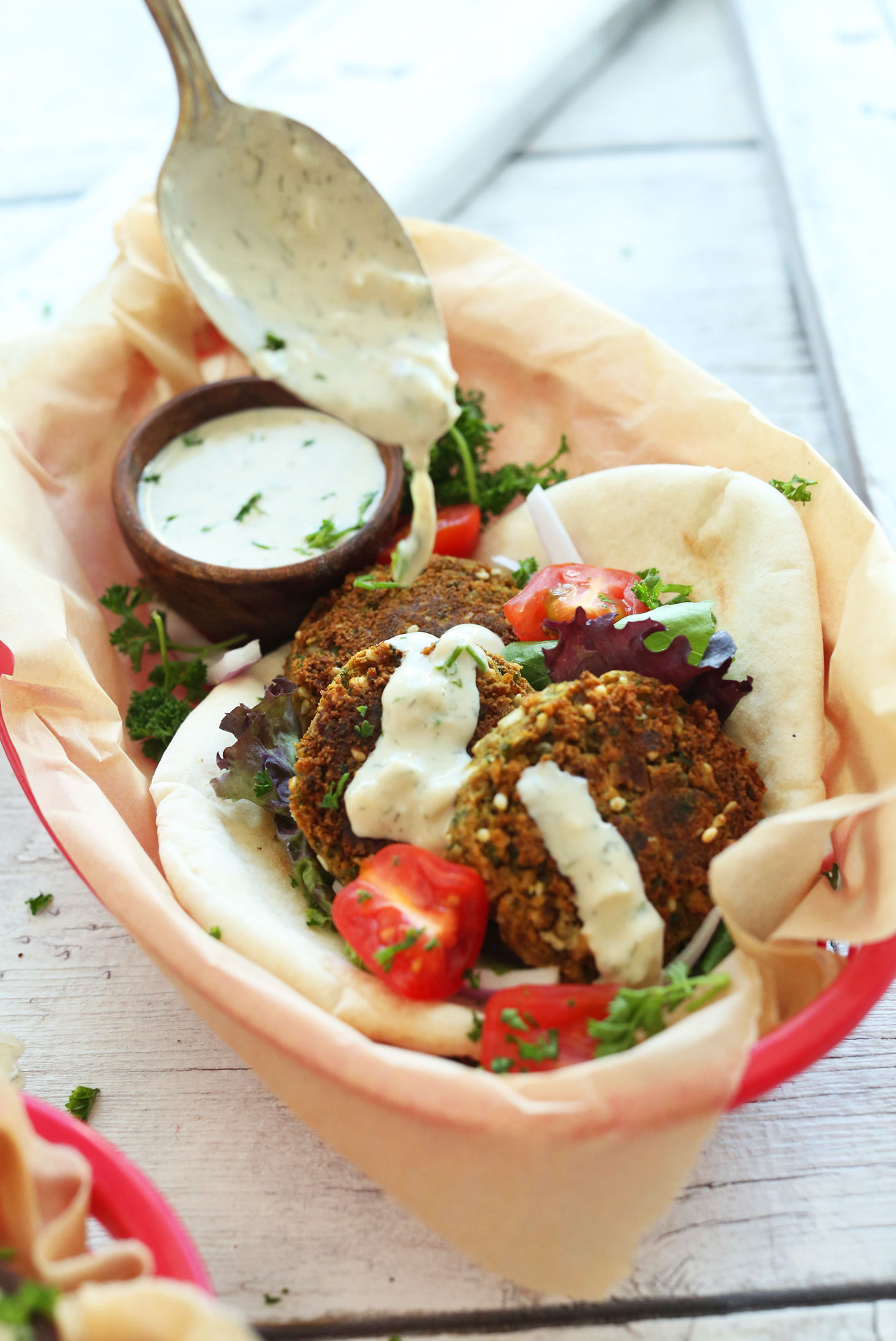
Imagine sinking your teeth into a perfectly crisp exterior, revealing a tender, herbaceous, and incredibly flavorful interior. That's the magic of falafel, a beloved Middle Eastern street food that has captivated palates worldwide. While it might sound like a dish best left to experienced chefs or bustling street vendors, we're here to demystify it. Get ready to discover your new favorite easy falafel recipe, perfect for a quick weeknight meal, and naturally vegan and gluten-free to boot!
Homemade falafel offers an unparalleled freshness and depth of flavor that store-bought versions often lack. It’s a versatile, protein-packed dish that can transport your taste buds straight to the vibrant markets of the Middle East, even from your own kitchen. And the best part? It's far more achievable than you might think, making it an ideal candidate for your regular dinner rotation.
The Allure of Homemade Falafel: Crispy, Flavorful, and Wholesome
There's something truly special about crafting falafel from scratch. The aroma of fresh herbs and warm spices filling your kitchen is an experience in itself, promising a culinary delight. For many, like the tradition passed down through generations in Sierra Leone, a good falafel recipe is more than just food; it's a taste of childhood, a connection to family and heritage. Grandma's falafel, with its perfect balance of crunch and tenderness, often holds a place of honor, reminding us that simple, wholesome ingredients can create extraordinary meals. If you're looking for an authentic and delicious take on this classic, check out Grandma's Secret: Easy Crispy Falafel at Home for some timeless wisdom.
Beyond its nostalgic charm, falafel is a nutritional powerhouse. Made primarily from chickpeas, it’s an excellent source of plant-based protein and fiber, making it incredibly satisfying. Naturally vegan and gluten-free, it caters to a wide range of dietary needs without compromising on taste. This makes an easy falafel recipe a fantastic option for families with diverse preferences or anyone looking to incorporate more wholesome, plant-forward meals into their diet. The combination of fresh parsley, cilantro, garlic, cumin, and coriander not only contributes to its distinctive flavor but also adds a wealth of vitamins and antioxidants.
Whether you're a seasoned home cook or just starting your culinary journey, the satisfaction of making your own crispy, tender falafel is immense. It's a dish that feels gourmet but is surprisingly accessible, proving that healthy, flavorful food doesn't have to be complicated or time-consuming. It’s a testament to the fact that with a few key ingredients and some simple steps, you can create a truly memorable meal right in your own home.
The Chickpea Conundrum: Soaked Dried vs. Canned for Your Easy Falafel Recipe
When embarking on your falafel adventure, one of the first decisions you'll face is whether to use dried chickpeas that have been soaked overnight or to opt for the convenience of canned chickpeas. This choice significantly impacts both preparation time and, arguably, the final texture and taste of your falafel.
The Traditionalist's Choice: Soaked Dried Chickpeas
Many falafel purists, and indeed most authentic Middle Eastern recipes, advocate for using dried chickpeas that have been soaked for at least 12-24 hours. Never cooked chickpeas, just soaked. This method is believed to be crucial for achieving the quintessential falafel texture: a remarkably crispy exterior and a fluffy, moist, and tender interior that holds its shape beautifully. The raw, soaked chickpeas, when ground, create a coarser, drier mixture that fries up without absorbing too much oil and is less prone to falling apart. The starch content in the raw chickpeas also plays a vital role in binding the mixture naturally. While this approach requires foresight and planning (you can't just whip it up last minute), proponents swear by its superior flavor and structural integrity.
The Weeknight Warrior's Shortcut: Canned Chickpeas
For those seeking an easy falafel recipe that truly fits into a busy weeknight schedule, canned chickpeas are a game-changer. They slash the preparation time dramatically, eliminating the overnight soaking step. However, there are a few important considerations when using canned chickpeas. Because they are already cooked and tend to be softer and more moist, the falafel mixture can be a bit wetter and potentially fall apart during cooking. To counteract this, it’s crucial to:
- Drain and Rinse Thoroughly: Remove as much liquid as possible.
- Pat Dry: Spread the chickpeas on a clean kitchen towel or paper towels and gently pat them until they are as dry as possible. This step is non-negotiable for a better texture.
- Add a Binding Agent: A small amount of flour (all-purpose, chickpea flour, or even a gluten-free blend) can help bind the mixture. Chickpea flour is an excellent choice as it maintains the gluten-free status, enhances the nutty flavor, and boosts the protein content.
While the texture might be slightly different from the traditional soaked-and-ground method, a well-prepared canned chickpea falafel can still be incredibly delicious, crispy, and satisfying – making it the perfect compromise for a truly easy falafel recipe on a time crunch.
Crafting Your Perfect Falafel Mix: Essential Ingredients & Tips
The heart of any truly delicious falafel lies in its vibrant, aromatic mixture. Once you've decided on your chickpea base (soaked dried or canned), the magic happens with a few fresh, bold ingredients. This is where your easy falafel recipe truly comes to life, promising that irresistible taste and texture.
The Core Ingredients:
- Chickpeas: As discussed, the foundation of your falafel. Ensure they are well-drained and patted dry, especially if using canned.
- Fresh Herbs: A generous amount of fresh parsley and cilantro is non-negotiable. These herbs contribute significantly to falafel's signature green hue and incredibly fresh flavor. Don't skimp here; they are key to its vibrancy.
- Aromatics: Fresh garlic cloves and onion provide a pungent, savory depth that is essential. A small amount goes a long way in creating a robust flavor profile.
- Spices: Cumin and coriander are the star spices, offering warmth and earthy notes that are characteristic of Middle Eastern cuisine. A pinch of cayenne pepper or red pepper flakes can add a subtle kick if you like a little heat. Salt and black pepper are also crucial for seasoning.
- Leavening Agent (Optional but Recommended): A small amount of baking soda can help create a lighter, fluffier interior. Add it just before forming and cooking your falafel.
- Binding Agent (Especially for Canned Chickpeas): A tablespoon or two of flour (all-purpose, chickpea, or GF blend) helps hold the mixture together, preventing crumbling.
Tips for the Perfect Mixture:
- Food Processor is Your Friend: The easiest way to combine these ingredients is in a food processor. Pulse the mixture until it's finely ground but still has some texture – think coarse sand. Avoid over-processing, which can turn it into a paste and result in dense falafel. You want some small chunks of chickpeas and herbs visible.
- Balance of Flavors: Taste a tiny bit of the raw mixture (if using soaked chickpeas) or cook a small test patty (if using canned) to adjust seasonings. Don't be afraid to add more salt, pepper, or a pinch more cumin/coriander to your liking.
- Chill for Better Handling: Once your mixture is ready, cover it and refrigerate for at least 30 minutes, or even a few hours. Chilling helps the mixture firm up, making it much easier to form into patties or balls without them falling apart. This is a crucial step for achieving perfect shapes, especially for an easy falafel recipe.
- Consistency Check: The mixture should be firm enough to hold its shape when pressed, but not overly dry or crumbly. If it's too wet, add a little more flour or chickpea flour. If it's too dry, a tiny splash of water (start with a teaspoon) can help.
With these elements in place, you're well on your way to a batch of homemade falafel that rivals any street-side vendor. The careful balance of fresh ingredients and thoughtful preparation ensures a truly authentic and delicious experience.
Cooking Methods: Fry, Bake, or Air Fry Your Way to Falafel Perfection
One of the beauties of a great easy falafel recipe is its versatility in cooking methods. While deep frying delivers that iconic crispiness, you have excellent healthier alternatives that still yield delicious results. No matter your preference, there’s a way to achieve falafel perfection right in your kitchen.
1. Traditional Deep Frying: For Unmatched Crispiness
If you're after that true street-food experience – the golden-brown crust and moist interior – deep frying is the way to go.
- Oil Choice: Use a neutral oil with a high smoke point, like vegetable, canola, or grapeseed oil.
- Temperature is Key: Heat your oil to about 350-375°F (175-190°C). An oil thermometer is highly recommended. Too low, and the falafel will absorb too much oil; too high, and they'll burn outside before cooking inside.
- Don't Overcrowd: Fry in batches to maintain oil temperature. Overcrowding will lower the temperature and lead to greasy falafel.
- Cook Time: Fry for 3-5 minutes, turning occasionally, until deeply golden brown and cooked through.
- Drain Well: Use a slotted spoon to remove falafel and place them on a wire rack set over paper towels to drain excess oil.
2. Baking: The Healthier Oven Alternative
Baking is a fantastic option for a lighter falafel that's still wonderfully flavorful. While it won't be as intensely crispy as fried falafel, it's a great choice for a healthy weeknight meal.
- Prep: Lightly grease a baking sheet or line with parchment paper. Lightly brush or spray the falafel patties with olive oil before baking for better browning.
- Temperature: Preheat oven to 400°F (200°C).
- Cook Time: Bake for 20-30 minutes, flipping halfway through, until golden brown and firm. The exact time may vary based on your oven and falafel size.
3. Air Frying: Quick, Crispy, and Convenient
The air fryer has become a popular choice for achieving a crispy texture with minimal oil, making it perfect for an easy falafel recipe.
- Prep: Lightly brush or spray your falafel with olive oil. This helps with browning and crispiness.
- Basket Placement: Arrange falafel in a single layer in the air fryer basket, ensuring they don't touch to allow for proper air circulation.
- Temperature & Time: Air fry at 375-400°F (190-200°C) for 12-18 minutes, shaking the basket or flipping halfway through, until golden brown and crispy.
For more detailed instructions and expert tips on achieving the perfect texture with each method, be sure to explore Healthy Homemade Falafel: Fry, Bake, or Air Fry Them!. Whichever method you choose, you're just minutes away from enjoying your delicious homemade falafel.
Serving Suggestions: Beyond the Pita
Once your homemade falafel are perfectly golden and fragrant, the real fun begins: deciding how to serve them! While the classic pita sandwich is undeniably delicious, falafel's versatility allows for a myriad of exciting and simple serving options, making this easy falafel recipe even more adaptable to your weeknight needs.
The Classic: Pita Sandwiches
This is arguably the most popular way to enjoy falafel, and for good reason. Warm a soft pita bread, slather the inside with a generous dollop of creamy tahini sauce (a must!), and stuff it with your freshly made falafel. Then, pile on an assortment of fresh, crunchy vegetables. Think diced cucumbers, juicy tomatoes, thinly sliced red onion, crisp lettuce, and perhaps some pickled turnips or olives. The combination of textures and flavors is simply divine, making each bite an explosion of Mediterranean goodness.
Deconstructed Falafel Bowl: A Modern Twist
For a lighter, fresher, and often gluten-free option, transform your falafel into a vibrant bowl. Start with a base of mixed greens or fluffy couscous. Arrange your falafel, alongside vibrant additions like cucumber, cherry tomatoes, Kalamata olives, crumbled feta cheese (if not strictly vegan), and a sprinkle of fresh herbs. Drizzle generously with tahini sauce or a light lemon-herb vinaigrette. This deconstructed approach allows you to savor each ingredient while creating a beautiful, healthy meal.
The Grand Meze Platter: For Sharing and Feasting
Falafel is an excellent addition to a larger meze spread – a collection of small dishes perfect for sharing. Arrange your falafel alongside other Mediterranean favorites such as creamy hummus, fluffy tabbouleh salad, baba ghanoush, pickled vegetables, and warm pita bread. Add some fresh mint leaves, lemon wedges, and extra tahini for dipping. This presentation is perfect for entertaining or a relaxed family dinner where everyone can build their own plates.
Sauce it Up!
No falafel experience is complete without the right sauce.
- Tahini Sauce: A creamy, tangy sauce made from tahini (sesame paste), lemon juice, garlic, and water. It's the traditional and arguably most essential accompaniment.
- Tzatziki: A refreshing yogurt-based sauce with cucumber, garlic, and dill. While not traditionally Middle Eastern for falafel, it offers a delicious, cooling contrast, especially if you enjoy dairy.
- Hot Sauce: For those who love a kick, a drizzle of your favorite chili sauce or a vibrant harissa can elevate the flavor profile.
Whether you're tucking them into a pita, building a nourishing bowl, or showcasing them on a meze platter, your easy falafel recipe is guaranteed to be a hit. Its versatility ensures that these delightful chickpea fritters can fit into any meal, any day of the week.
Conclusion
From the bustling streets of the Middle East to the comfort of your own kitchen, the journey of making falafel is a rewarding one. We’ve explored how this naturally vegan and gluten-free dish can be simplified into an easy falafel recipe, perfect for any weeknight. Whether you choose the traditional path of soaked dried chickpeas or opt for the speedy convenience of canned, the key lies in fresh herbs, aromatic spices, and a little culinary care.
With options to deep fry for ultimate crispiness, bake for a lighter touch, or air fry for convenience, there's a cooking method to suit every preference. And with endless serving possibilities beyond the classic pita – from vibrant bowls to expansive meze platters – falafel proves to be a versatile and satisfying meal. So, gather your ingredients, fire up your food processor, and prepare to delight your senses with the incredible taste and texture of homemade falafel. It's a culinary adventure that's both accessible and utterly delicious.
